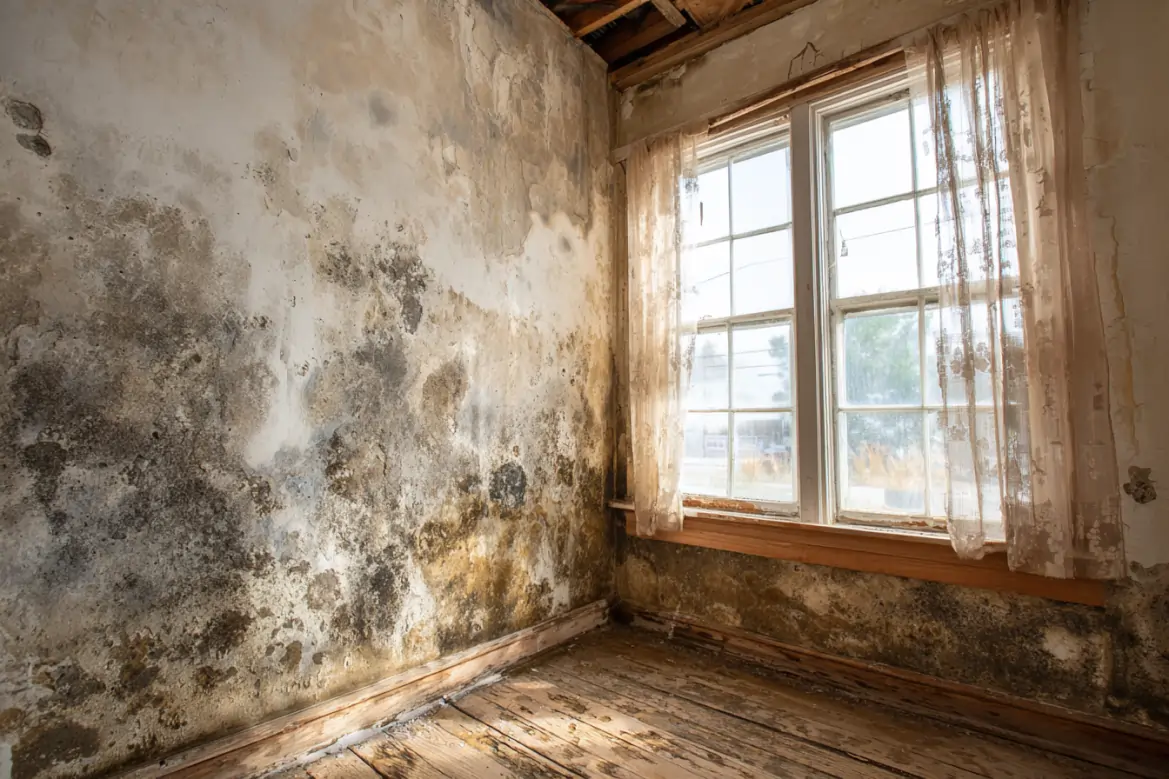
Florida’s real estate market is booming. From coastal condos in Miami to suburban homes around Orlando and Tampa, buyers are flocking to the Sunshine State. But while palm trees, ocean breezes, and warm winters make Florida living attractive, there’s one less glamorous issue every buyer should keep in mind: mold.
Mold is so common in Florida that failing to check for it before buying a property can lead to costly repairs, health risks, and headaches down the road. In this guide, we’ll cover why mold is such a concern in Florida homes, how to spot red flags during the buying process, and what steps you should take to protect yourself as a buyer.
Why Mold Is a Bigger Problem in Florida Homes
Mold can develop in homes anywhere in the U.S., but Florida’s climate makes it especially persistent:
-
Humidity – Most of Florida has average humidity levels between 70–80%. Indoors, that means condensation on walls, windows, and HVAC units.
-
Rain and Hurricanes – Heavy seasonal rainfall, tropical storms, and hurricanes bring water intrusion and flooding.
-
Older Housing Stock – Florida has many homes built decades ago with outdated roofing, plumbing, or ventilation.
-
Coastal Proximity – Salt air and high moisture levels accelerate wear and create ideal conditions for mold.
In short, when you buy a Florida home, you’re not just buying into paradise—you’re also inheriting potential moisture and mold challenges.
The Risks of Mold for Homebuyers
Before signing that contract, consider what mold could mean for you:
-
Financial Risk – Mold remediation costs can range from a few hundred dollars to tens of thousands, depending on severity.
-
Health Risk – Mold spores trigger allergies, asthma, and respiratory issues.
-
Insurance Issues – Mold damage is rarely covered by homeowners insurance unless tied to a sudden, covered event.
-
Resale Problems – Homes with mold histories can be harder to sell later.
Common Places Mold Appears in Florida Homes
If you’re house hunting, pay attention to areas where mold is most likely to develop:
-
Bathrooms – Poor ventilation and constant moisture.
-
Attics – Roof leaks and inadequate airflow.
-
Kitchens – Leaks under sinks and behind dishwashers.
-
Crawlspaces – Damp, dark conditions are mold havens.
-
HVAC Systems – Condensation inside ducts spreads spores throughout the home.
-
Windows and Sliding Doors – Condensation around frames in humid weather.
Signs of Mold During a Home Tour
When walking through a potential Florida home, keep an eye (and nose) out for:
-
Musty or earthy odors.
-
Stains or discoloration on ceilings, walls, or baseboards.
-
Bubbling paint or peeling wallpaper.
-
Visible black, green, or white patches.
-
Recent renovations in only one area (may indicate covered-up damage).
-
Dehumidifiers running in every room—a possible red flag that the seller is masking humidity issues.
Why Home Inspections Aren’t Always Enough
A standard home inspection may not include thorough mold testing. Many inspectors check for obvious signs of water damage but don’t conduct air quality testing or open walls where hidden mold might thrive.
If you’re serious about a Florida property, consider hiring a licensed mold inspector in addition to a general home inspector. They can test air samples, moisture levels, and hidden areas to ensure you’re not buying into an invisible problem.
What to Do if Mold Is Found Before Closing
Finding mold during the buying process doesn’t have to kill the deal. Instead, it can give you leverage:
-
Request Remediation – Ask the seller to hire a licensed mold remediation company before closing.
-
Negotiate Price – If you’re willing to handle remediation, request a credit or price reduction.
-
Walk Away – In severe cases, it may be smarter to move on to another property.
The key is to address mold before you close, not after you’re stuck with the problem.
Mold Remediation in Florida Real Estate Transactions
If remediation is needed before or after purchase, here’s what professionals typically do:
-
Inspection – Identify the type and extent of mold.
-
Containment – Seal off affected areas to prevent spore spread.
-
Air Filtration – HEPA filters capture airborne spores.
-
Material Removal – Damaged drywall, insulation, or carpet is removed.
-
Treatment – Antimicrobial sprays or sealants prevent regrowth.
-
Moisture Fixes – Address the root cause (leaks, ventilation, drainage).
-
Restoration – Replace and repair affected materials.
Long-Term Mold Prevention for Florida Homeowners
Once you buy a home, prevention is your best defense. Steps include:
-
Monitor Indoor Humidity – Keep levels below 50% using dehumidifiers.
-
Maintain HVAC Systems – Clean ducts, replace filters, and service AC units regularly.
-
Use Exhaust Fans – Especially in bathrooms and kitchens.
-
Seal and Insulate – Protect windows, doors, and roofs against leaks.
-
Inspect After Storms – Hurricanes and heavy rains often create hidden mold issues.
-
Choose Mold-Resistant Materials – Great for renovations or remodels in Florida’s damp climate.
Mold and Florida Home Insurance
One of the biggest surprises for new homeowners is that mold coverage is limited in most Florida insurance policies. Typically, insurers will only pay for mold remediation if it results from a sudden covered event—like a burst pipe or hurricane-related water damage.
Gradual leaks, poor ventilation, or high humidity are usually excluded. That’s why prevention and early detection are essential—waiting too long can leave you paying out of pocket.
Final Thoughts
Buying a home in Florida is exciting, but it also requires vigilance. Mold is a constant threat in the state’s humid, storm-prone climate. The good news? By knowing what to look for, asking the right questions, and investing in inspections, you can protect yourself from costly surprises.
If mold is found, it doesn’t have to derail your dream home purchase—it just means negotiating smartly and making sure the issue is properly addressed. Once you move in, regular maintenance and moisture control will keep your new home healthy, safe, and mold-free.
In Florida, sunshine and humidity go hand in hand. But with the right approach, mold doesn’t have to come with the territory.